invideo ai image to video
InVideo AI Image to Video: Turn Photos into Polished Clips in Minutes
invideo ai image to video helps you convert photos into engaging videos fast. Upload images, pick a template, and let the AI set timing, transitions, and music. This guide covers quick steps, key AI features, real use cases (social posts, ads, slideshows), pro tips, export settings, plan options, and troubleshooting so you can get results quickly.
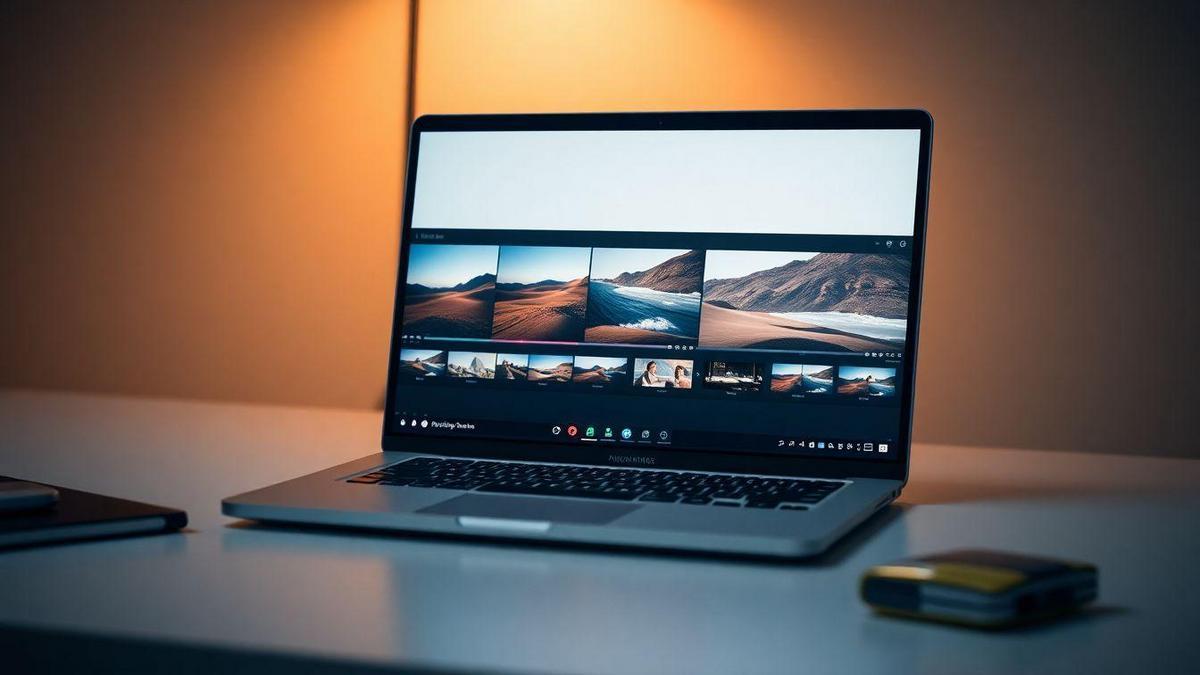
If you want to try it out for yourself and see how the platform works in practice, you can start your first project for free through this special link I used to test it . That’s how I began exploring all its features without any hassle.

Key takeaway
- Convert images into videos quickly with minimal editing.
- Choose a template and aspect ratio for the target platform.
- Let AI animate photos, match music, and suggest timing.
- Tweak text, timing, and transitions to match your style.
- Export MP4 (H.264) sized for social or web distribution.
How invideo ai image to video works
invideo ai image to video acts like a quick editor: it analyzes photos, applies motion (pan/zoom), times scene cuts to music, and outputs a ready-to-share clip. Think of it as an automated director that stitches your images into a story with minimal input.
Quick workflow
- Upload images (drag-and-drop or import from cloud).
- Pick a template or start blank.
- Choose an aspect ratio: landscape (YouTube), square (feed), vertical (Reels/TikTok).
- Let the AI auto-apply timing, transitions, motion paths, and music.
- Preview and tweak image order, timing, or audio.
- Export as MP4 (H.264) at the right resolution for your platform.
Pro tip: For short social clips, use 6–8 photos to keep tempo lively.
Quick step-by-step using the InVideo image-to-video converter
- Go to the Image to Video tool and click Create.
- Upload photos (JPG/PNG, high-res).
- Select a template or blank canvas and set aspect ratio.
- Let the AI auto-apply timing, transitions, and music.
- Adjust individual image duration, swap transitions, or replace the track.
- Export and download or share directly.
Try different templates to instantly change mood and pacing.
Key AI features that speed up image-to-video work
invideo ai image to video includes features that cut manual work:
AI photo-to-video creator
- Adds motion (pan, tilt, zoom) and scene cuts.
- Detects faces and focal points to focus zooms.
- Times cuts to music BPM or template pacing.
Tip: Use high-res images with clear focal points for best results.
Automated slideshow maker & stock media
- Automatically places images and matches tempo.
- Instant access to stock clips and music to fill gaps.
- Saves hours compared to manual editing.
Comparison (approx.):
| Task | Manual time | With InVideo |
|---|---|---|
| Arranging shots | 30–60 min | 1–3 min |
| Matching music tempo | 10–20 min | Immediate |
| Finding B-roll | 20–60 min | Instant stock access |
Core tools: templates, voiceover, auto-resize
- Templates for consistent branding and faster output.
- Voiceover: AI voices or upload your narration—editor can auto-sync.
- Auto-resize: one-click export for vertical, square, or landscape.
Pro tip: Use voiceover pacing to control scene length—short phrases speed up cuts.
Real ways to use videos made from photos
invideo ai image to video is practical for many formats:
- Short promos or product announcements.
- Reels, TikToks, and other social posts that stop the scroll.
- Testimonials and user stories built from screenshots/photos.
- Event highlights, monthly recaps, and family slideshows.
- Real estate quick tours from staged photos.
Start each clip with your most eye-catching photo—viewers decide quickly.
Create social posts, ads, reels, and stories
- Pick 6–12 strong photos that form a mini story.
- Vertical (9:16) for Reels/TikTok, square (1:1) for feeds.
- Add text overlays for the first 2–3 seconds as a hook.
- Layer upbeat music and a concise caption with a call to action.
- Export multiple lengths: 15s for stories, 30–60s for reels/ads.
Platform guide:
| Platform | Ideal length | Best format |
|---|---|---|
| Instagram Reels / TikTok | 15–60s | Vertical (9:16) |
| Instagram Feed | 15–30s | Square (1:1) |
| Facebook Ads | 15–30s | Landscape or Square |
| Stories | 5–15s per card | Vertical (9:16) |
Test the first 3 seconds across audiences.
If you want to try it out for yourself and see how the platform works in practice, you can start your first project for free through this special link I used to test it . That’s how I began exploring all its features without any hassle.
Presentations, product demos, and slideshows
- Presentations: 5–10 images as scene anchors, short captions, consistent transitions.
- Product demos: zoom into features, add callouts, sync voiceover.
- Family slideshows: add dates/anecdotes and finish with music fade.
- Export high-res for meetings, lower-res for email/social.
- Reuse templates to speed future edits.
Timing guide: 3–6s per image for demos, 4–8s for slideshows.
Simple tips to make image-to-video projects look professional
- Use high-res images and clear focal points.
- Keep a consistent aspect ratio to avoid awkward cropping.
- Crop, don’t stretch; match image orientation to final platform.
- Keep clips short (3–6s per image) for social.
- Add captions (2–3 lines) for accessibility and quick scanning.
- Match music to mood and sync cuts to beats.
Platform aspect ratios:
| Platform | Aspect ratio | Common resolution |
|---|---|---|
| Instagram Feed | 1:1 | 1080×1080 |
| Instagram Stories / TikTok | 9:16 | 1080×1920 |
| YouTube / Vimeo | 16:9 | 1920×1080 |
| Facebook / LinkedIn | 16:9 or 1:1 | 1280×720 / 1080×1080 |
Preview on phone and desktop—what works on large screens can choke on mobile.
Export settings and compatibility
- File format: MP4 with H.264 codec for widest compatibility.
- Bitrate: higher = better quality but larger file; balance with upload limits.
- Frame rate: match source (24, 25, 30, or 60 fps); avoid mixing without conversion.
- Audio: export AAC at 128–256 kbps; keep peaks around -12 dB to -6 dB.
- Export separate files per platform size to avoid scaling issues.
Quick tip: If viewers use slow connections, export a lower-bitrate backup.
How to use invideo ai image to video for Instagram, YouTube, and ads
- Upload images to InVideo.
- Choose canvas: vertical (1080×1920) for Reels, square (1080×1080) for feed, 16:9 (1920×1080) for YouTube.
- Use the invideo ai image to video feature to auto-create motion and timing.
- Tweak timing: 3–5s per image for social, 6–10s for slideshow ads.
- Add transitions, text overlays, and music; keep text inside safe margins.
- Export MP4 (H.264) with the correct frame rate and bitrate.
- Test on your target device before posting.
Remember: subtle motion usually supports the story better than flashy moves.
Plans, learning resources, and support
- Start with a free trial to test invideo ai image to video features.
- Compare paid plans for export quality, monthly minutes, stock assets, watermark removal, and team seats.
- Watch short tutorials (3–10 minutes) for individual features.
- Use templates as learning tools—swap in your assets to see how timing and motion behave.
- Read support docs for image sizes and file limits. Join communities for tips and templates.
Sample plan comparison:
| Plan | Export quality | Monthly minutes | Stock assets | Watermark |
|---|---|---|---|---|
| Free | 720p | 5 min | Limited | Yes |
| Creator | 1080p | 60 min | Moderate | No |
| Business | 4K | 300 min | Large | No |
Pro tip: Try the free plan first to confirm the workflow fits your needs.
Troubleshooting common issues
- Upload fails: use JPG/PNG under max size; remove special characters in filenames.
- Aspect ratio off: set canvas before adding images; crop inside the editor.
- Animations stutter: reduce image file sizes or simplify animated elements.
- Audio out of sync: reimport audio, trim silence at start, and align on the timeline.
- Export errors: lower export quality, check internet, close heavy apps.
- Watermark appears: ensure you’re on a paid plan and logged into the right account.
- Slow renders: try off-peak hours or upgrade for higher render priority.
Save fixes as notes in your project for faster troubleshooting next time.
If you want to try it out for yourself and see how the platform works in practice, you can start your first project for free through this special link I used to test it . That’s how I began exploring all its features without any hassle.
Conclusion
invideo ai image to video makes transforming photos into polished videos fast and accessible. Upload images, pick a template, let the AI apply timing, transitions, and music, then fine-tune the result. Use high-res photos, match aspect ratios, add short captions, and export MP4 (H.264) per platform. Start with a free trial, learn via templates and tutorials, and try a mini project (five photos, ~30 seconds) to see instant results.
Want more tips and guides? Read additional articles at https://blog.marktingdigitalmkt.com.