

invideo-ai
invideo-ai: Turn Text into Video Fast
invideo-ai helps you turn words into polished videos quickly. This guide covers text-to-video basics, how the editor and AI work together, a quick tutorial to make your first clip, key features like AI script and voice, templates, export and sharing, pricing and plan choices, marketer use cases, tracking ROI, and how invideo-ai compares to alternatives.
If you want to try it out for yourself and see how the platform works in practice, you can start your first project for free through this special link I used to test it . That’s how I began exploring all its features without any hassle.
Key takeaway
- Turn text into video quickly using ready templates and AI-assisted storyboards.
- Let AI generate scripts and suggest visuals; you keep final control.
- Add AI voice or upload your own audio and mix music in one click.
- Maintain brand consistency with templates and a brand kit.
- Reuse clips and export multiple aspect ratios for social platforms.
What invideo-ai can do for your videos
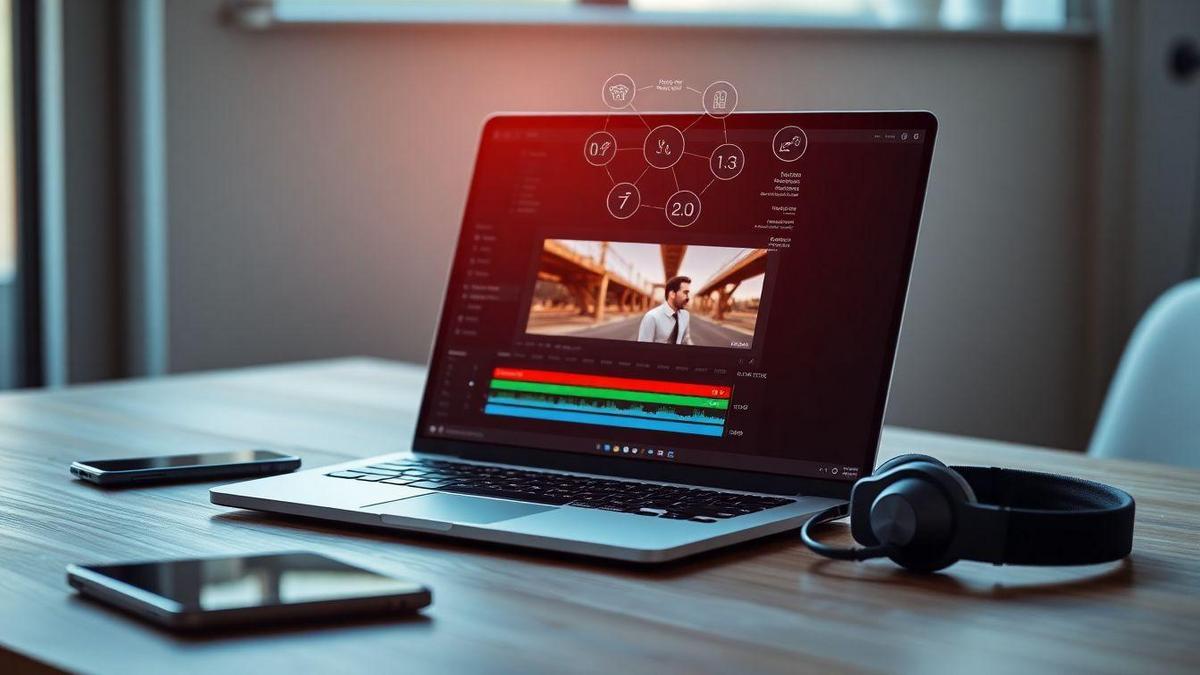
You want attention-grabbing videos without long production times. invideo-ai:
- Converts plain text into visual scenes and a storyboard.
- Auto-suggests images, clips, and music that match tone and pacing.
- Adds captions, transitions, and simple animations.
- Reformats one script into multiple aspect ratios for social.
- Lets you tweak voice, pacing, and style quickly.
Quick tip: Start with a short script (30–60s) for faster scene matches and a tighter final cut.
invideo-ai text-to-video basics
Typical workflow:
- Paste or type your script.
- Pick a template or let invideo-ai suggest one.
- Review suggested visuals and music.
- Adjust scene timing, voice, and text styles.
- Export in the format you need.
Best practices:
- Use short sentences for on-screen text.
- Use clear headings to define scene breaks.
- Choose a voice style that matches your audience.
Read invideo-ai reviews and user feedback
Users praise invideo-ai for speed, templates, and ease of use. Common trade-offs:
- Positives: fast draft generation, many templates, auto-captions, affordable entry plans.
- Negatives: occasional visual mismatches, limited advanced edits for pros, export polish sometimes needed.
Heads-up: If you need pro-level fine tuning, plan a few extra minutes of manual editing.
How invideo-ai turns text into video fast
The platform speeds production with this pipeline:
- Text analysis — AI scans tone, keywords, and pacing.
- Scene mapping — the script is split into short scenes.
- Asset matching — images, clips, and music are suggested.
- Auto-layout — fonts, placements, and transitions are applied.
- Rendering — the system compiles scenes into a final file.
This cuts hours to minutes while letting you jump in to swap assets or tweak timing.

Quick invideo-ai tutorial: make your first clip
Make a shareable clip in minutes:
- Sign in and choose a Template or Blank Canvas.
- Upload media or pick stock from the library.
- Paste your script or use the AI script generator.
- Select a voiceover (AI or your own).
- Tweak text, timing, and transitions.
- Preview, export, and share.
TIP: Start with a 15–30 second clip to learn the tool quickly.
invideo-ai editor steps for beginners
When you open the editor:
- Scan the left toolbar: Media, Text, Scenes, Music, Voiceover.
- Drag clips to the timeline or storyboard and reorder.
- Click a scene to edit text, replace media, or set duration.
- Add transitions and simple animations.
- Use Auto Voice or upload an audio track; balance levels in the mixer.
- Preview the full video and fine-tune timing and text size.
- Save often; autosave helps but manual saves give peace of mind.
If stuck, use the built-in help for topic-specific tips.
invideo-ai templates to start fast
Templates save time—pick one that matches your goal:
- Social clips (15–30s) — Instagram Reels, TikTok.
- Promo ads (30–60s) — product or event promos.
- Explainers (60–120s) — short tutorials and demos.
- Presentations — combine slides and voice.
- Intros/outros — branding bumpers.
| Template Type | Best For | Typical Length |
|---|---|---|
| Social Clips | Reels / TikTok | 15–30s |
| Promo Ads | Product or event promos | 30–60s |
| Explainers | Tutorials or demos | 60–120s |
| Presentations | Internal/pitch videos | 2–5 min |
| Intros/Outros | Branding bumpers | 5–15s |
TIP: Choose the template with the right aspect ratio for your platform.
Export and share your video with invideo-ai
Steps to publish:
- Click Export.
- Choose resolution: 720p, 1080p, or 4K (if available).
- Select file type (MP4 standard).
- Set watermark options (paid plans remove watermark).
- Use social presets for platform-ready sizes.
- Render, download, or copy a share link.
- Direct-share to Facebook, YouTube, or cloud drives if supported.
Note: Export time depends on length and resolution; short 1080p clips usually finish quickly.
Key invideo-ai features you should know
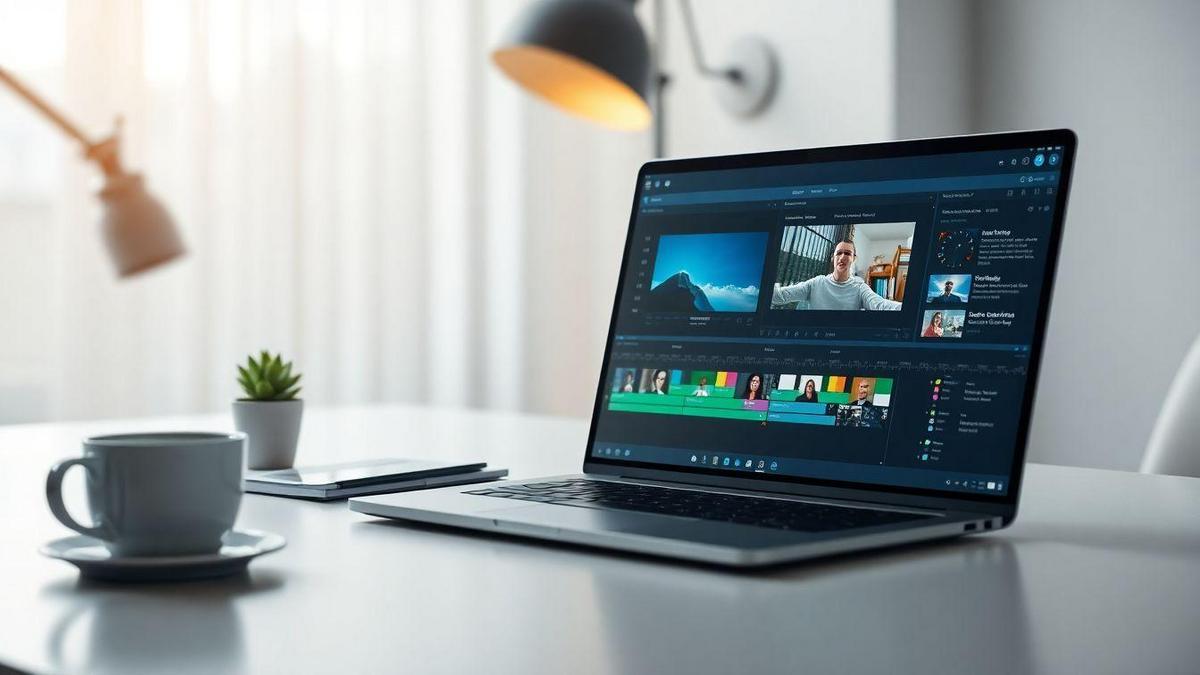
invideo-ai blends AI tools with a simple editor:
- Script generation that turns a prompt into a ready script.
- AI voiceovers with multiple accents and natural tones.
- Text-to-video mapping that suggests scenes and visuals.
- Smart templates to keep style consistent.
- Editor controls for timing, clips, and captions.
Tip: Use a template the first few times—it’s like training wheels for faster learning.
AI script and voice
- AI script: creates scene-by-scene copy from a topic and tone.
- Voiceover options: choose voice, speed, pitch, and language.
- Pacing controls: auto-align voice with on-screen text.
Note: For a branded voice, upload a short sample and match it in the editor.
| Feature | What it does | Why it helps |
|---|---|---|
| AI script | Generates scenes and dialogue from a prompt | Saves writing time, provides structure |
| AI voice | Produces natural voiceovers in many accents | Cuts studio cost, speeds production |
| Templates | Pre-built layouts and styles | Keeps videos consistent and fast to make |
How the editor and AI work together
The editor is the decision hub; the AI is the assistant:
- AI suggests scene cuts, clips, and voice timing.
- You adjust scene length, replace visuals, and edit captions.
- The timeline shows immediate results and auto-syncs captions to voice.
Think of invideo-ai as a co-pilot that speeds the process while you steer the creative choices.
If you want to try it out for yourself and see how the platform works in practice, you can start your first project for free through this special link I used to test it . That’s how I began exploring all its features without any hassle.
invideo-ai pricing and plan choices explained
What a free plan usually includes
- Basic templates and a small stock selection.
- Limited exports per month and a watermark on exports.
- Lower resolution (often 720p).
- Great for testing workflows but not high-volume commercial use.
Paid tiers at a glance
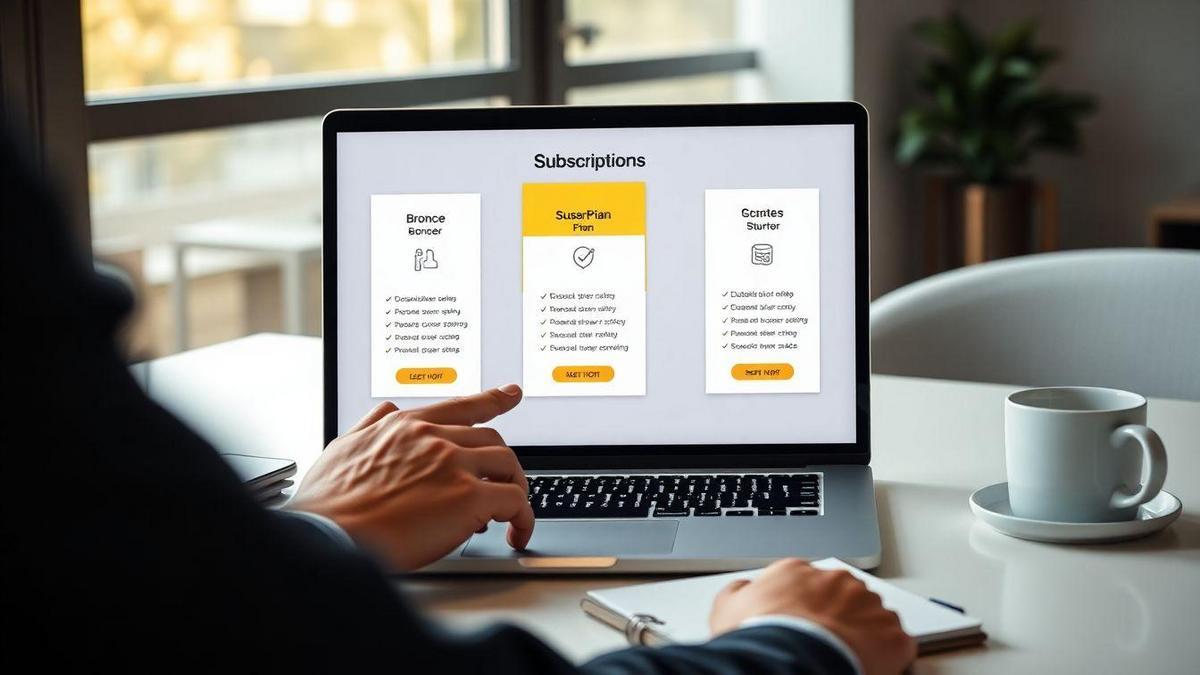
| Tier | Best for | Key features | Exports | Watermark | Support |
|---|---|---|---|---|---|
| Free | Beginners, testing | Basic templates, limited stock | Small cap | Yes | Community |
| Creator / Individual | Solo creators | HD exports, more templates, stock access | Moderate cap | No | |
| Business / Pro | Small teams | Brand kit, team seats, higher limits | Large cap | No | Priority |
| Enterprise | Agencies | SSO, custom limits, dedicated manager | Custom | No | Dedicated |
- Creator removes watermarks and increases export limits.
- Business adds brand tools and collaboration.
- Enterprise offers SLAs and custom controls.
Pick a plan based on exports per month, brand kit needs, and whether you need team seats. Try the free plan or monthly Creator first.

How invideo-ai helps marketers
invideo-ai speeds production and scales creative output:
- Speed: turn ideas into 15–60s clips in minutes.
- Scale: produce dozens of variants for A/B testing.
- Personalization: swap headlines, images, and CTAs per segment.
- Consistency: apply brand colors, fonts, and logos.
- Cost savings: reduce agency/editor hours and reallocate budget to testing.
Pro tip: Launch one campaign with three quick variants, measure performance, then scale winners.
invideo-ai use cases for ads and social
- Short social ads (6–15s) that hook quickly.
- Product demos repurposed into vertical and horizontal formats.
- UGC-style clips with captions and organic look.
- Retargeting creative with swapped CTAs and offers.
- Announcements and event promos with countdown overlays.
- Educational micro-videos for Reels and TikTok.
Pro move: Use auto-captioning and design for muted viewers—many scroll without sound.
Templates that speed campaign work
- Choose by goal: awareness, traffic, or conversions.
- Replace images and paste your script; let invideo-ai generate a cut.
- Export multiple aspect ratios (16:9, 9:16, 1:1) in one pass.
- Run fast A/B tests by tweaking headlines, CTAs, or opening frames.
| Template type | Best length | Best platform | Main benefit |
|---|---|---|---|
| Hook & Drop | 6–15s | TikTok / Reels | Fast attention grab |
| Product Demo | 30–60s | YouTube / FB | Shows product value |
| Testimonial / UGC | 10–30s | IG / Ads | Builds trust fast |
| Promo / Countdown | 15–30s | Stories / Ads | Drives urgency |
| How-to / Tips | 30–60s | YouTube / Reels | Positions you as expert |
Quick hack: Save favorite templates with pre-filled brand assets for copy-and-play campaigns.
Track ROI from video with clear goals
Set measurable goals and track metrics:
- Define the goal: awareness, lead, or sale.
- Pick matching metrics:
- Awareness → impressions, view rate
- Lead → CTR, form submissions
- Sale → conversion rate, CPA, revenue
- Tag links with UTMs and use consistent naming.
- Run short tests (3–7 days) and compare variants.
- Calculate ROI: (Revenue − Ad Spend) ÷ Ad Spend.
- Scale winners and pause losers quickly.
Reality check: High views are good, but if clicks or sales lag, tweak the CTA or the opening 3 seconds.

invideo-ai alternatives and how to choose one
Choose a tool that fits your workflow, budget, and output needs. Compare invideo-ai to Synthesia, Pictory, Descript, and others.
| Tool | Strengths | Weaknesses | Best for |
|---|---|---|---|
| invideo-ai | Fast templates, easy timeline editing, good stock library | May need extra polish for broadcast | Quick social clips, marketers |
| Synthesia | Lifelike AI avatars, many languages | Limited scene-level edits, higher cost | Training, multilingual explainers |
| Pictory | Audio-to-video and summarization | Less control over pacing | Repurposing long content to shorts |
| Descript | Text-based editing, overdub | Less polished stock visuals | Podcasts, interview repurposing |
| Lumen5 / Runway | Simple storyboard / powerful effects | Lumen5 simple visuals; Runway needs heavy compute | Social posts (Lumen5); creative effects (Runway) |
Quick takeaway:
- Choose Synthesia for avatar-driven training.
- Choose Pictory for repurposing long-form content.
- Choose Descript for text-first editing and audio perfection.
- Stick with invideo-ai if you like its editing flow unless you need avatars or advanced generative effects.
What to look for in alternatives
- Output quality on mobile and desktop.
- Editing control over timing, transitions, and layers.
- Natural-sounding voice options and language coverage.
- Template library that matches your brand.
- Export limits, formats, and codecs.
- Price vs actual usage (per-export costs, caps, seats).
- Integrations with CMS, social schedulers, and cloud storage.
- Speed of iteration and privacy/IP terms.
- Support and community resources.
Test alternatives with free trials
- Pick one script to reuse across tools.
- Make the same video in each tool and measure setup, edits, and export time.
- Compare sharpness, audio clarity, and pacing.
- Check hidden costs like watermarks and premium assets.
- Try real workflows: upload brand assets, collaborate, and publish.
Pro tip: Use the same music and captions across tests to spot real differences.
If you want to try it out for yourself and see how the platform works in practice, you can start your first project for free through this special link I used to test it . That’s how I began exploring all its features without any hassle.
Conclusion
invideo-ai is a fast, pragmatic co-pilot for creators and marketers who want more output with less hassle. Use the AI script generator, pick an AI voice or upload your own, and reuse scenes across aspect ratios to stay consistent. Start with the free plan to learn the flow and upgrade to Creator or Business when you need higher limits, no watermark, and team features. Always test alternatives with the same script to compare trade-offs before committing.
Bottom line: invideo-ai won’t replace creative judgment, but it will speed production and scale results. For more tips and deep dives, visit https://blog.marktingdigitalmkt.com.