

invideo ai ai video
invideo ai ai video puts powerful AI in your hands so you can build fast, polished videos. This guide covers core features, how the editor uses text-to-video and script-to-video AI to auto-build scenes, available templates and stock media, export formats, plus practical steps from script to publish. You’ll also get tips for audio, automation, collaboration, and best use cases for ads, reels, tutorials, and training.
If you want to try it out for yourself and see how the platform works in practice, you can start your first project for free through this special link I used to test it . That’s how I began exploring all its features without any hassle.
Key takeaway
- Turn a script into a video quickly with invideo ai ai video.
- Use templates and brand kits for professional, consistent results.
- Add AI voiceover or upload your own narration.
- Edit by dragging, dropping, and trimming on the timeline.
- Export with captions and ready-to-post formats for social.
Core features of invideo ai ai video
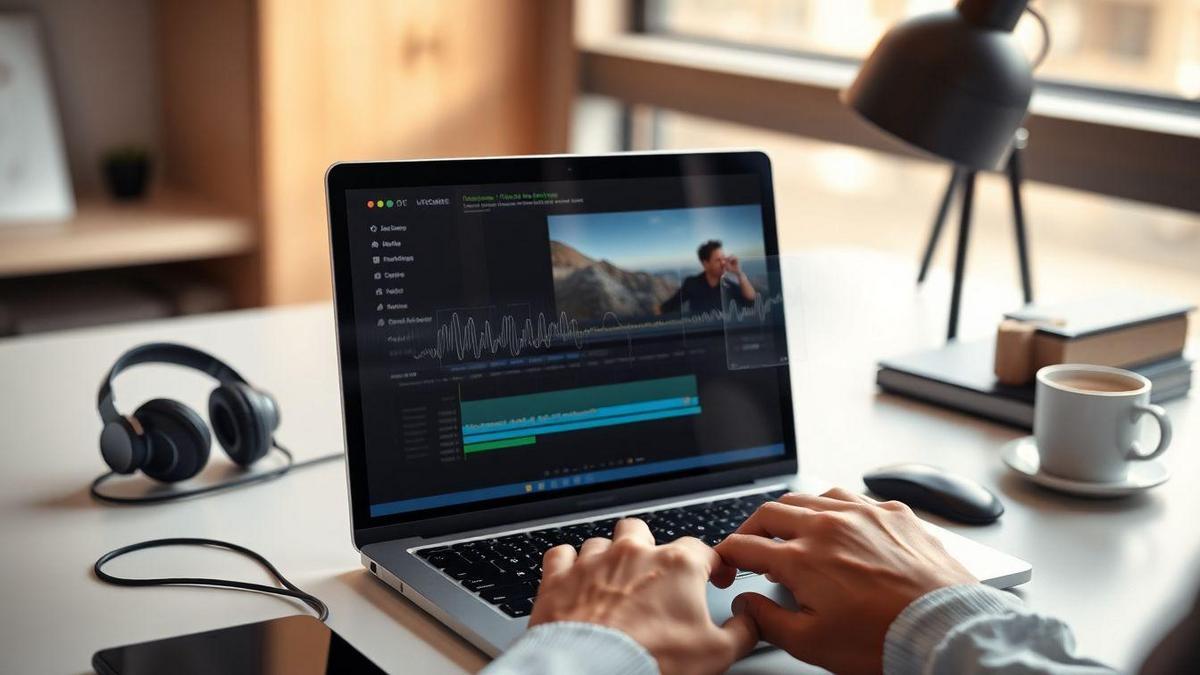
invideo ai ai video bundles the tools you need to skip long edit sessions: text-to-video, script-to-video, ready templates, a stock media library, automated editing, and cloud export. These features help you go from idea to publish in minutes.
How the editor turns text into scenes
The editor converts words into a scene-by-scene draft:
- Paste a short script or a few lines of text.
- The text-to-video AI analyzes tone, keywords, and pacing.
- It suggests visuals, captions, and music/voice options.
- The script-to-video AI maps script beats to shots, picks clips or generates animations, and times overlays.
- Preview, tweak, then export.
Tip: Start with 6–12 sentences (intro, problem, solution, CTA). Short, clear beats give the AI the best results.
Templates, stock media, and export formats
- Templates: promos, social shorts, tutorials, product demos, ads — pre-set pacing and text spots.
- Stock media: royalty-free clips, images, backgrounds, and music. Mix generated clips with stock footage.
- Export formats: MP4 for web/socials; vertical (9:16) for Reels/TikTok; square for Instagram; adjustable resolution and bitrate.
| Asset type | Best for | Notes |
|---|---|---|
| Templates | Fast builds (ads, intros) | Pick one and replace text/images |
| Stock clips | B-roll and backgrounds | Search by mood, location, action |
| Music & SFX | Brand feel | Volume ducking tied to voice-over |
| Export formats | Social, web, ads | MP4, vertical, square; adjustable quality |
Pro tip: Upload your logo and color palette so templates automatically adapt to your brand.
Key tech: AI video generator, automated editing, cloud export
- AI video generator: creates visuals when you lack footage or need variations.
- Automated editing AI: trims, times captions, applies transitions, balances audio.
- Cloud export: renders in the cloud so your device stays free and you can download or share links.
How to make an invideo ai ai video — step by step
Start with a script or paste text
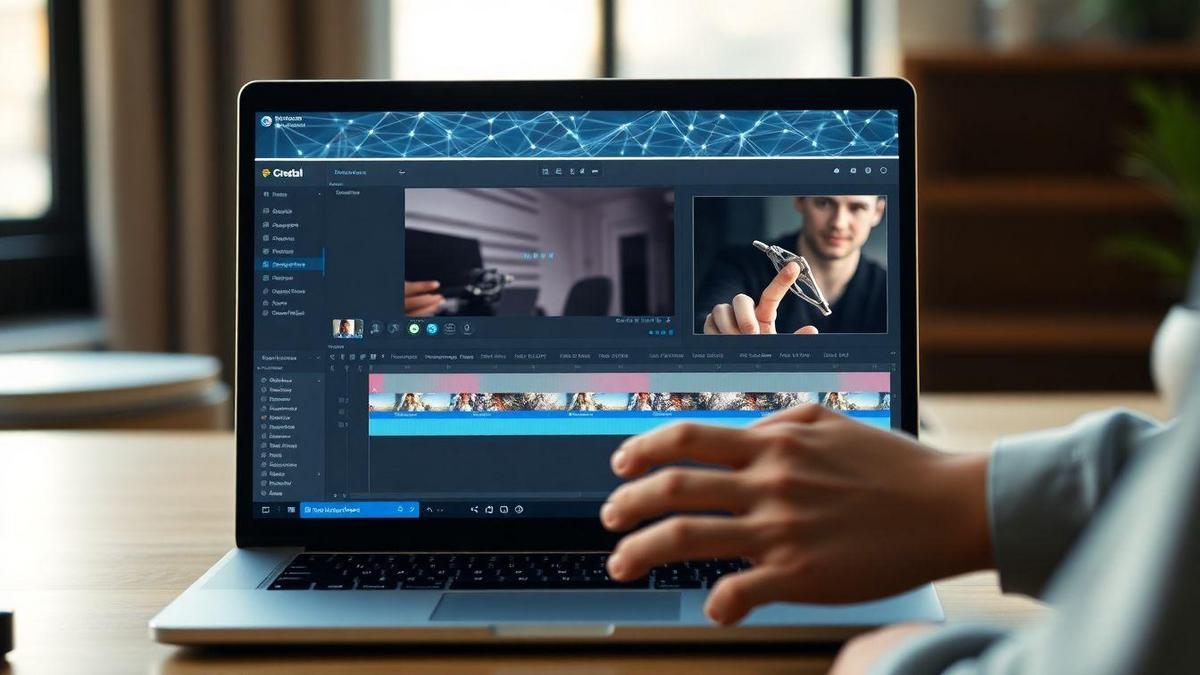
- Open the InVideo editor and pick a template or blank project.
- Use the Text-to-Video or script panel. Paste script and break it into scene-sized chunks (one idea per scene).
- Let the editor auto-suggest visuals or drag your own media into scenes.
- Choose storyboard order and on-screen text spots.
Tip: Aim for 5–12 seconds per scene for social content.
Edit scenes, add AI voiceover, and polish timing
- Use the timeline to trim clips and arrange scenes.
- Swap stock clips by dragging new media over a scene.
- Add text overlays optimized for mobile readability.
- Click AI Voiceover, choose voice, language, and style, then generate and align the audio.
- Add background music and enable auto-ducking so voice remains clear.
- Nudge scene timing in small increments (0.2–0.5s) for precise sync.
If a line feels robotic, try a different voice or split it into two scenes.
Finalize and export
- Choose aspect ratio: 16:9 (YouTube), 1:1 or 4:5 (Instagram), 9:16 (Reels/TikTok).
- Resolution: 1080p for quality/file-size balance. Frame rate: 30fps; format: MP4 (H.264).
- Add closed captions or burn-in subtitles as needed, preview the render, then export.
| Platform | Aspect Ratio | Recommended Resolution |
|---|---|---|
| YouTube / Web | 16:9 | 1920×1080 (1080p) |
| Instagram Feed | 1:1 or 4:5 | 1080×1080 / 1080×1350 |
| Reels / TikTok | 9:16 | 1080×1920 (vertical) |
Default: 1080p MP4 at 30fps balances quality and upload speed.
If you want to try it out for yourself and see how the platform works in practice, you can start your first project for free through this special link I used to test it . That’s how I began exploring all its features without any hassle.
Use templates and customization to speed production
Pick a template that fits your goal, swap in your visuals, and apply your brand kit (logo, colors, fonts). Save that setup as a custom template to reuse and reduce decision fatigue.
| Template type | Best for | Typical length |
|---|---|---|
| Promo | Product drops, sales | 15–45 sec |
| Tutorial | How-tos, demos | 60–180 sec |
| Social | Reels, short ads | 10–30 sec |
Improve your audio with invideo ai ai video tools
invideo ai ai video offers natural-sounding voices, language and pacing control, auto-ducking, and export options for separate or merged audio tracks.
Choosing voices and pacing
- Pick voice type (male, female, neutral), language, and regional accent.
- Set pacing: slow for calm scenes, medium for explainers, fast for high-energy clips.
- Preview short phrases in context.
| Voice Type | Best For | Pacing |
|---|---|---|
| Male | Tutorials, testimonials | Slow–fast |
| Female | Vlogs, promos | Fine-grain |
| Neutral/AI | Demos, clarity | Wide range |
Try swapping two voices over the same footage to hear the difference.
Mixing and exporting audio
- Add background track, set base volume low, enable auto-ducking.
- Trim/fade music at cuts; remove noise and tweak EQ on voice clips.
- Export separate tracks (voice, music, SFX) for future edits or a merged file for quick uploads. Generate SRT subtitles to boost accessibility.
How automated editing boosts speed and workflow
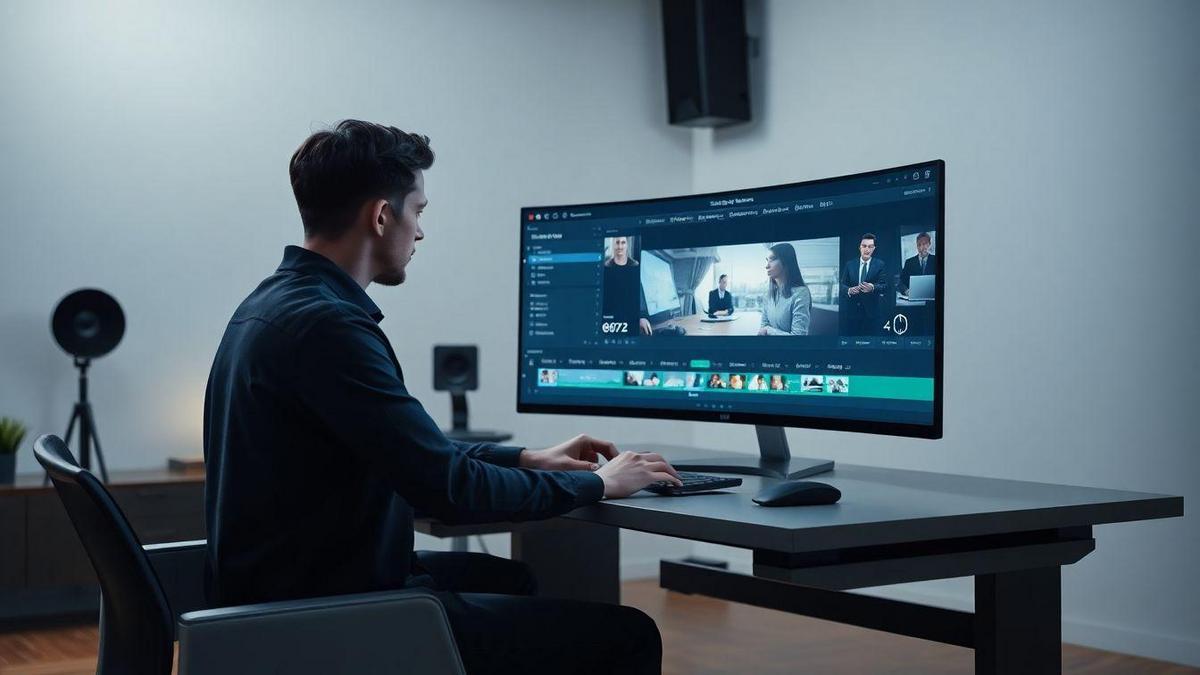
Automated editing in invideo ai ai video scans footage, identifies highlights, suggests cuts, and assembles a draft so you spend less time on repetitive tasks. Combine AI edits with stock assets and templates to shorten production cycles dramatically.
- AI suggests cut points, transitions, and scene order based on audio peaks and visual cues.
- Mix AI-generated scenes with stock clips to fill gaps.
- Collaborate via cloud links, use version history, and export final drafts directly from the cloud.
Tip: Let the AI do the first pass; then refine. It often cuts editing time by more than half.
Best use cases and publishing tips
- Short ads (6–15s): hook quickly in the first 1–2 seconds.
- Social reels (15–30s): friendly tone, captions, simple CTA.
- Tutorials (30–90s): one clear step per video; break long topics into a series.
- Product demos (30–60s): show one benefit in real use.
- Training (2–10 min): chapters, clear goals, and recap cards.
Optimize scripts for each platform, match visual pacing, use captions, and test multiple lengths (e.g., 15s vs 60s). Track watch time, CTR, and conversions; run A/B tests on hooks and thumbnails, then update templates with winners.
| Platform | Ideal runtime | Visual pacing | Script tip |
|---|---|---|---|
| TikTok / Reels | 10–30s | Fast cuts | Hook in 1–2s |
| YouTube Shorts | 15–60s | Quick beats | One idea per short |
| Instagram Feed | 30–60s | Medium pace | Lead with emotion/value |
| 60–120s | Moderate | Open with insight | |
| Facebook Ads | 6–30s | Urgent | CTA in first 3s |
| Website | 30–120s | Story-driven | Focus on benefit social proof |
Why choose invideo ai ai video?
Because it blends AI automation with familiar editing tools, invideo ai ai video helps creators and teams produce more, faster, without sacrificing quality. Templates, brand kits, automated editing, and cloud export mean you spend time on message and testing—not on repetitive timeline work.
If you want to try it out for yourself and see how the platform works in practice, you can start your first project for free through this special link I used to test it . That’s how I began exploring all its features without any hassle.
Conclusion
You can turn ideas into polished videos fast with InVideo AI. Start with text-to-video or script-to-video, pick a template, add an AI voiceover, tweak a scene or two, and export. Templates and saved brand kits keep your look consistent, while automated editing, the AI video generator, and cloud export do the heavy lifting. Use platform-specific formats, test hooks, and iterate with A/B tests to scale what works.
Want more tips and deep dives? Read more at https://blog.marktingdigitalmkt.com and keep sharpening your video game.